The abbreviations MC, DW, RGB and RGBW that you often see in product catalogs define the light a luminaire can produce. We explain the differences between them and the right choice for your project.
MMotto Aydınlatma
3 min read
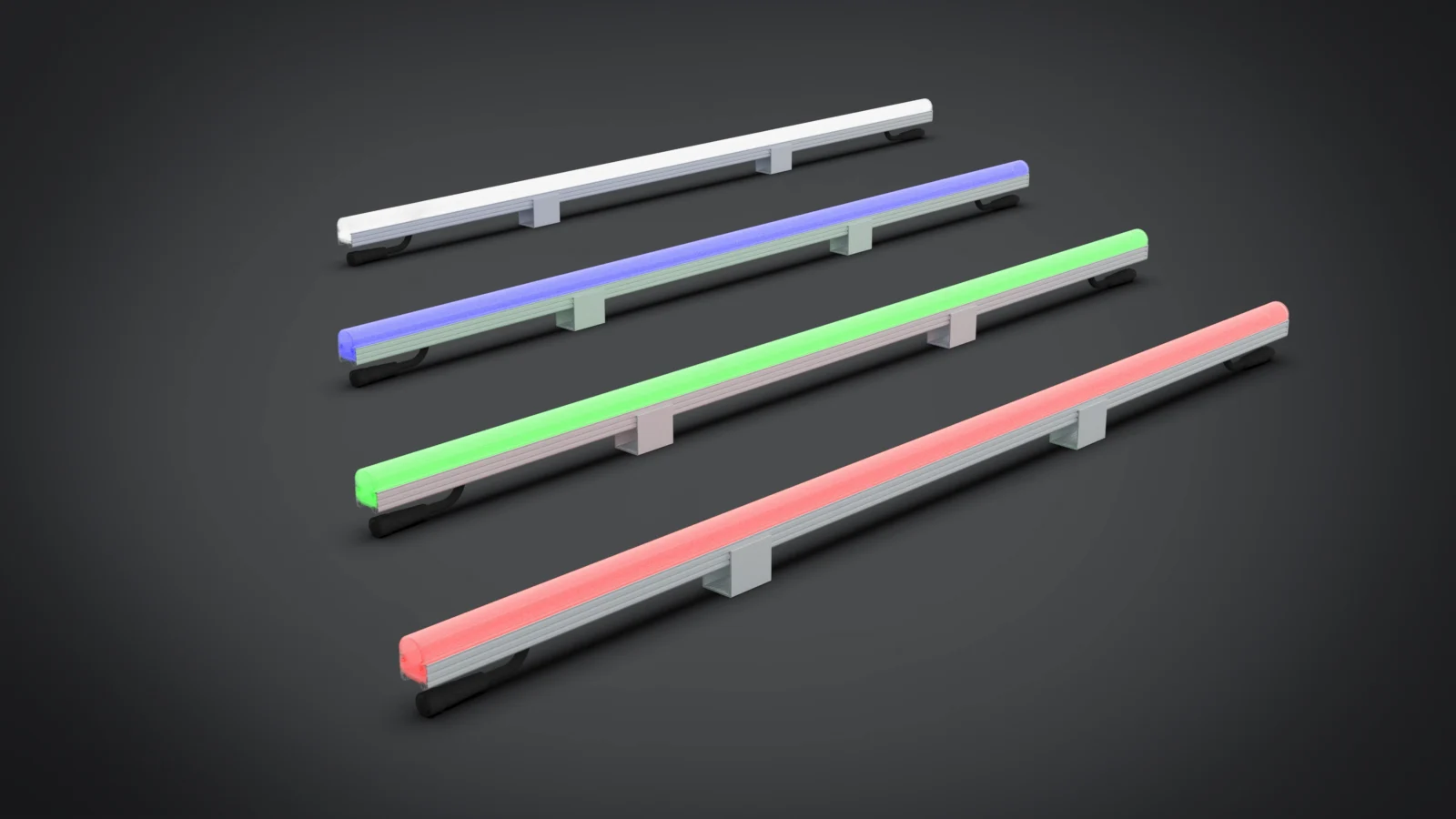
MidiRay linear facade luminaire
When choosing an LED luminaire, the first decision is what kind of light it will produce: will it glow in a single color, move between tones of white, or mix millions of colors? In catalogs this option is usually described with four abbreviations: MC, DW, RGB and RGBW.
MC: single color
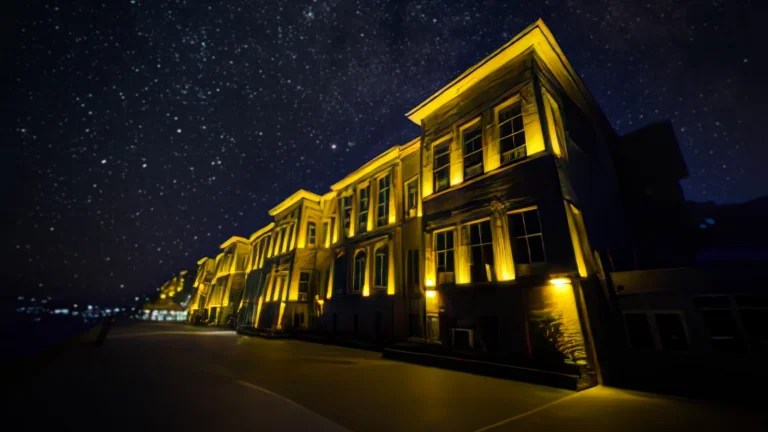
MC (mono color) means the luminaire is made with a single light color. The color is selected during production: 2700K warm white, 4000K neutral white or amber, for example. The light level can be adjusted, but the color does not change. It is the most natural option for historic buildings, public buildings and facades where a calm, lasting look is wanted.
DW: dynamic (tunable) white
DW (dynamic white) luminaires contain both warm white and cool white LEDs. By changing their ratio, the tone of white is adjusted from warm to cool. This way a warm light can be set in the evening hours and a more neutral one as the night goes on, or a different atmosphere for each season. DW does not produce colored light; it works only with tones of white.
RGB: color mixing
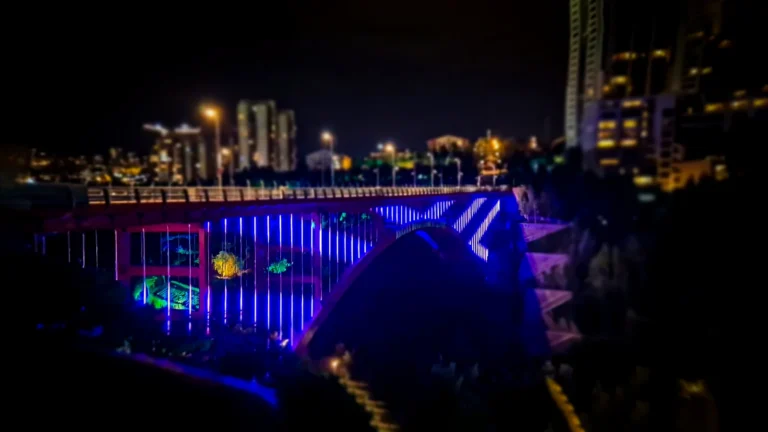
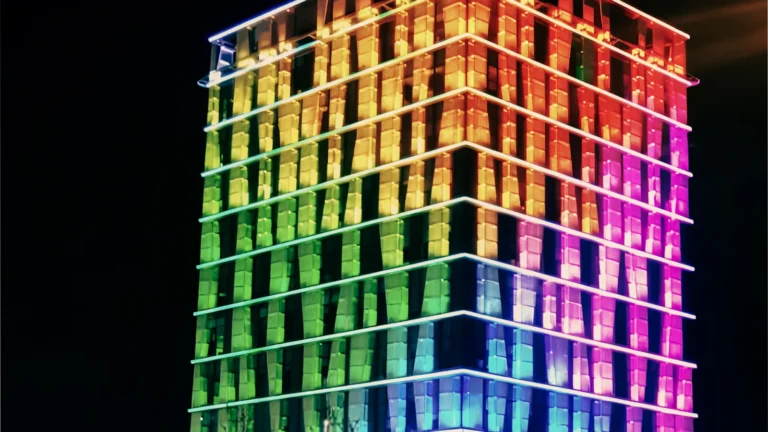
RGB luminaires contain red, green and blue LEDs. Mixing the three colors in different proportions gives a very wide range of colors. Flag colors on national holidays, corporate colors on special days or moving color transitions are done with RGB.
RGB’s weak point is white: white obtained by mixing three colors does not look as clean as a pure white LED, and pastel tones are limited too.
RGBW: color and pure white together
In RGBW luminaires, a separate white LED is added to RGB. This gives both vivid colors and a clean white light from a single luminaire; pastel tones look richer. It is the most flexible option for facades to be lit in white day to day and in color on special days.
Comparison
Type
Light produced
Channels
Typical use
MC
Single color (e.g. 3000K or amber)
1
Historic and public buildings, permanent accent
DW
White tones from warm to cool
2
Hotel, office and residential facades; an atmosphere that changes over time
RGB
Color mixing
3
Color shows, special-day lighting
RGBW
Colors and pure white
4
Facades that need both everyday white and color scenarios
The channel counts in the table are DMX channels per luminaire or pixel; depending on the product, there may be additional channels such as intensity (dimmer).
How does pixel control affect this choice?
Pixel-controlled luminaires are divided into small sections, each controlled separately. Since each pixel uses its own channels, the light type directly increases the channel requirement. For example, the RGBW version of the MidiPix P16 luminaire, with 16 pixels per meter, means 64 channels per meter. This calculation must be made when planning the control infrastructure; we explain the concepts of channel and universe in our DMX512 article.
Which should you choose?
If the building’s character calls for a single, permanent light: MC
If white light is enough but an atmosphere that changes over time is wanted: DW
If the facade will be colorful on special days and everyday white is secondary: RGB
If both high-quality white and color are wanted: RGBW
Choosing the tone of white light (Kelvin) and the natural appearance of colors (CRI) is at least as important as this decision. We cover this in our color temperature article.
Light options in Motto products
Most of our wall washer, in-ground and pixel-controlled product families are made in MC, DW, RGB and RGBW options. In the single-color options we offer amber and color temperatures of 2700K, 3000K, 4000K, 5700K and 6500K. On the product pages you can compare images of each option side by side.