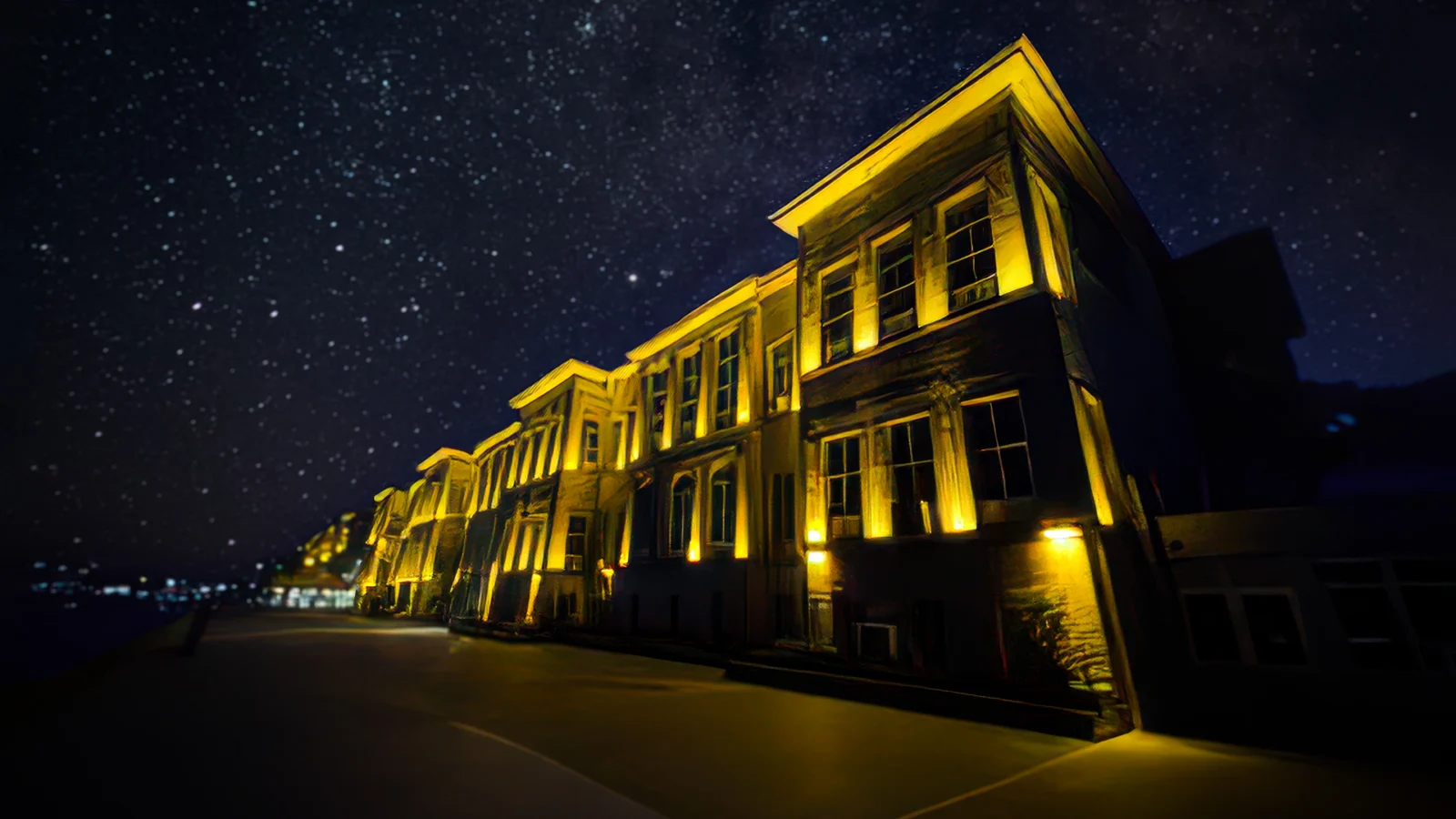
The same building looks warm and inviting at 2700K and cool and technical at 6500K. We explain color temperature, the CRI value and how to choose the right white for the facade material.
MMotto Aydınlatma
3 min read
Mimar Sinan Fine Arts University · Istanbul
White light is not a single color. There is a wide range, from a warm white close to candlelight to a cool white reminiscent of the midday sun, and this choice largely determines how a building is perceived at night.
What is color temperature?
Color temperature describes the tone of white light in Kelvin (K). The lower the value, the more the light shifts toward yellow-orange tones; the higher, the more toward bluish tones. Though it may seem backwards at first, low Kelvin is called “warm” light and high Kelvin “cool” light.
Color temperature
Perception
Typical use on facades
Amber / 2000K
Close to orange, very warm
Historic fabric, areas where less blue light should reach the surroundings
2700K–3000K
Warm white
Stone and brick facades, historic buildings, hotels
4000K
Neutral white
Concrete, plaster and modern facades, public buildings
5700K–6500K
Cool white
Glass, metal and buildings where a technological look is wanted
Choosing by material
The color of light works together with the surface’s own color. Warm-toned stone, wood and brick are enriched by warm white; the same surface turns gray under cool light. Gray concrete, glass and metal surfaces look cleaner and sharper with neutral or cool white. When undecided, a small trial (mock-up) with a few luminaires on site is the most reliable way.
Mixing different color temperatures on the same facade is a mistake to avoid unless it is a deliberate design decision. Even products with the same Kelvin value from different manufacturers can show small differences in tone; so a single product family should be used on a facade wherever possible.
What is CRI?
CRI (Color Rendering Index) expresses, as a number between 0 and 100, how naturally a light source shows the colors of objects compared with daylight. The closer the value is to 100, the more natural the colors look.
CRI>80: Sufficient for general lighting and most facade applications.
CRI>90: Makes a difference on surfaces where color matters, such as natural stone, marble, colored plaster or works of art.
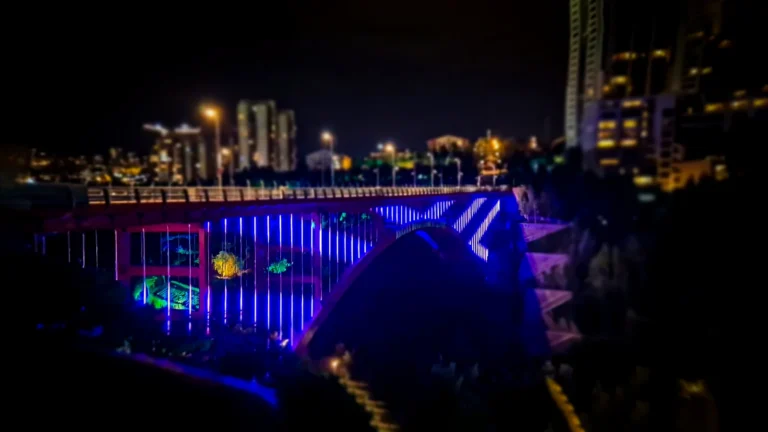
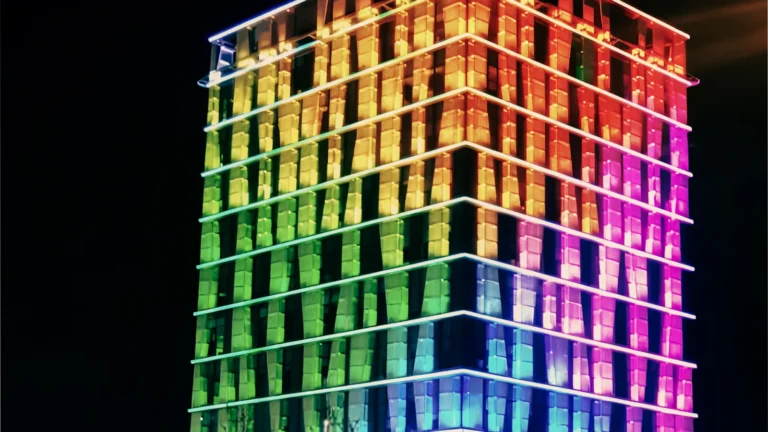
CRI is meaningful only for white light; it is not a measure used to evaluate the colored light of RGB luminaires.
Dynamic white: not being tied to a single choice
If you are not sure which tone will give the best result, or you want the light to change over time, dynamic white (DW) luminaires can be adjusted between warm and cool white. This way, the color temperature can be changed from the software even after installation. We compare the options in our light color article.
The effect of light on the environment
In night lighting, warmer tones have less effect on sky brightness and on living things. Directing light only onto the surface that needs to be lit, preventing it from spilling into the sky and lowering the light level late at night reduce both energy consumption and light pollution.
Color options in Motto products
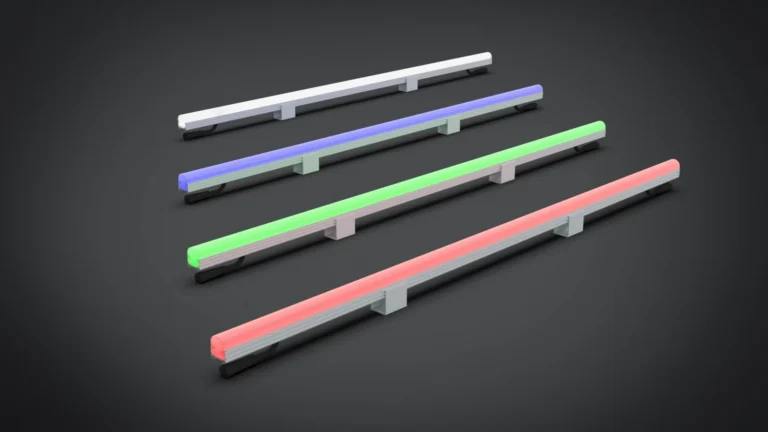
In our single-color (MC) luminaires we offer amber and 2700K, 3000K, 4000K, 5700K and 6500K. In our in-ground luminaires, CRI>80 or CRI>90 can be selected. The dynamic white versions switch between warm and cool white.
We can choose together the light color that suits your facade’s material and character.